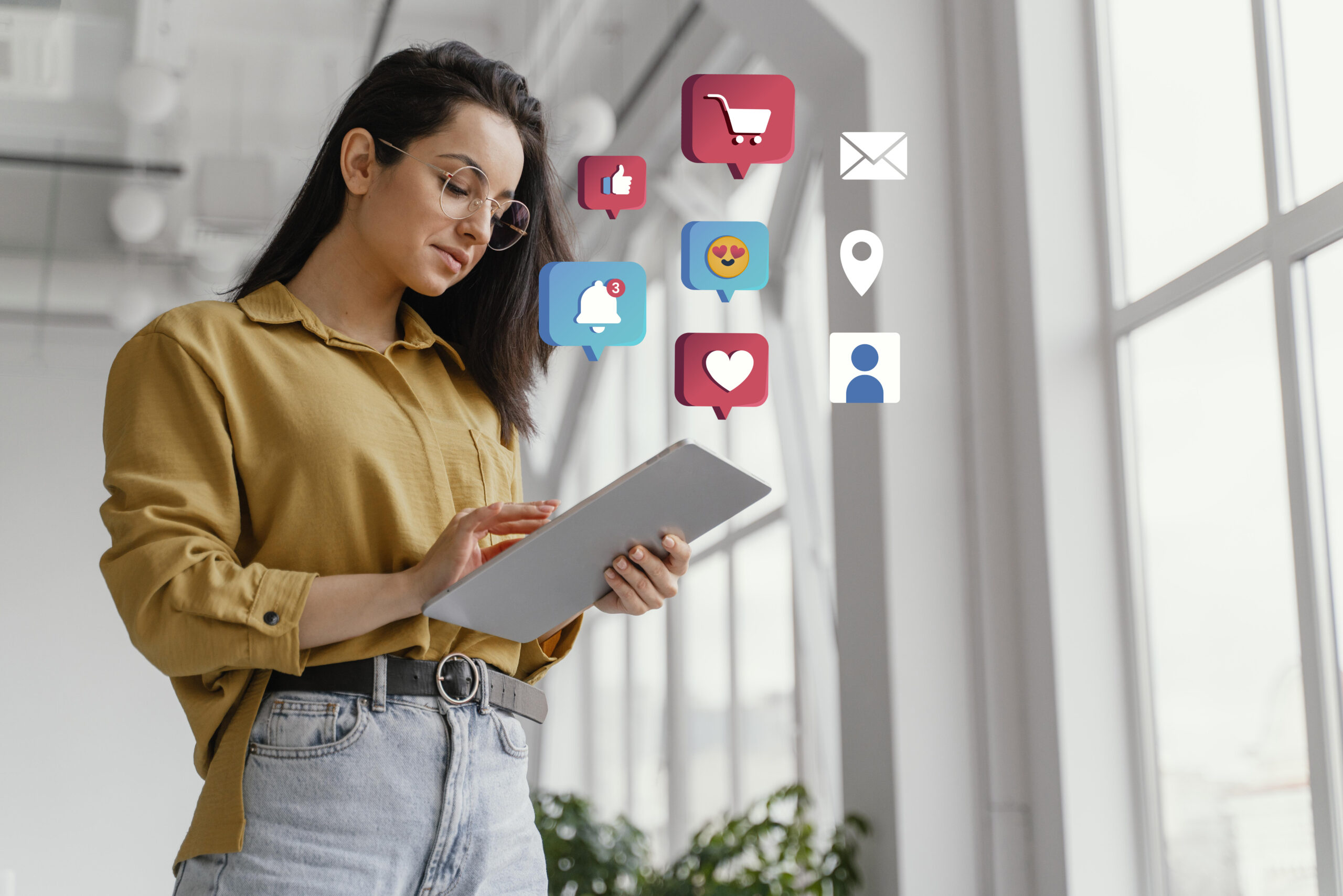

How the Internet Transformed Marketing
The internet didn’t tweak marketing — it rewired it. What used to be one-way broadcasts became conversations, once-hidden customer behavior became measurable, and mass audiences could be reached with surgical precision. This article walks through the big shifts and the real benefits the internet brought to the craft, in a friendly, easy-to-follow tone.
From Interruptions to Conversations
Before the web, marketing was mostly interruption: TV spots, radio ads, print pages that shouted for attention. The internet flipped that model. Websites, social media, and email let brands start conversations, answer questions, and build relationships over time. Instead of forcing a message into someone’s day, marketers now earn attention by being useful, entertaining, or helpful.
- Human impact: Brands sound more human; customers expect two-way interaction and quicker responses.
- Example: A friendly reply on social media can fix a complaint faster than a phone queue ever could.
Measurability and Data-Driven Decisions
The internet made every click, view, and conversion trackable. This turned marketing from guesswork into repeatable science. Marketers now test headlines, measure results, and scale what works.
- Benefit: You can spend smarter because you see which channels actually deliver ROI.
- Practical win: A/B testing a landing page headline can lift conversions without extra ad spend.
Hyper-Targeting and Personalization
Online platforms let marketers target audiences by interest, behavior, location, and more. Personalization moved from a nice-to-have into a core expectation: relevant offers, tailored content, and dynamic experiences.
- Benefit: Higher relevance leads to higher engagement and lower wasted budget.
- Human touch: Personalized emails and product recommendations make customers feel understood.
Lower Barriers to Entry and Faster Experimentation
Anyone with a good idea and a small budget can test it online. The cost and time required to launch campaigns dropped dramatically, which democratized marketing.
- Benefit: Small businesses can compete with bigger players; startups can iterate quickly.
- Example: A microbusiness can validate a product using a single Instagram ad and a simple landing page.
New Formats and Creative Freedom
The internet introduced new creative formats—blogs, video, podcasts, interactive content, and short-form social clips. This diversity lets brands express personality and provide value in many ways.
- Benefit: More ways to connect with different audience preferences and attention spans.
- Creative edge: A helpful how-to video can build trust faster than a traditional ad.
Automation, Scale, and Efficiency
Marketing automation, programmatic ads, and CRM integrations let teams scale personalized outreach without multiplying effort. Routine tasks get automated, freeing people to focus on strategy and creativity.
- Benefit: Consistency at scale; better lead nurturing and time saved on repetitive tasks.
- Result: Faster funnel movement and improved customer lifetime value.
Better Customer Experience and Journey Optimization
The internet made it possible to map and optimize the entire buyer journey—from discovery to purchase to loyalty. Marketers can smooth friction points, personalize touchpoints, and measure lifetime value.

- Benefit: Higher retention, better word-of-mouth, and more efficient acquisition.
- Example: A streamlined checkout, clear mobile UX, and a welcome email series reduce churn and increase trust.
Greater Accountability and Ethical Expectations
With data comes responsibility. Consumers and regulators expect transparency and respect for privacy. Ethical marketing and good data practices are now competitive advantages.
- Benefit: Trust-based growth becomes a long-term differentiator.
- Practical note: Clear privacy notices, permissions, and honest value exchanges build durable relationships.
If you’re learning marketing or growing a business, the internet is your biggest ally: it lets you test ideas cheaply, measure what works, and connect directly with people who care. Start by choosing one channel, learn to measure simple metrics, and focus on helping your audience first. The tools will change, but the internet’s biggest gift to marketing is the chance to be useful, measurable, and personal.