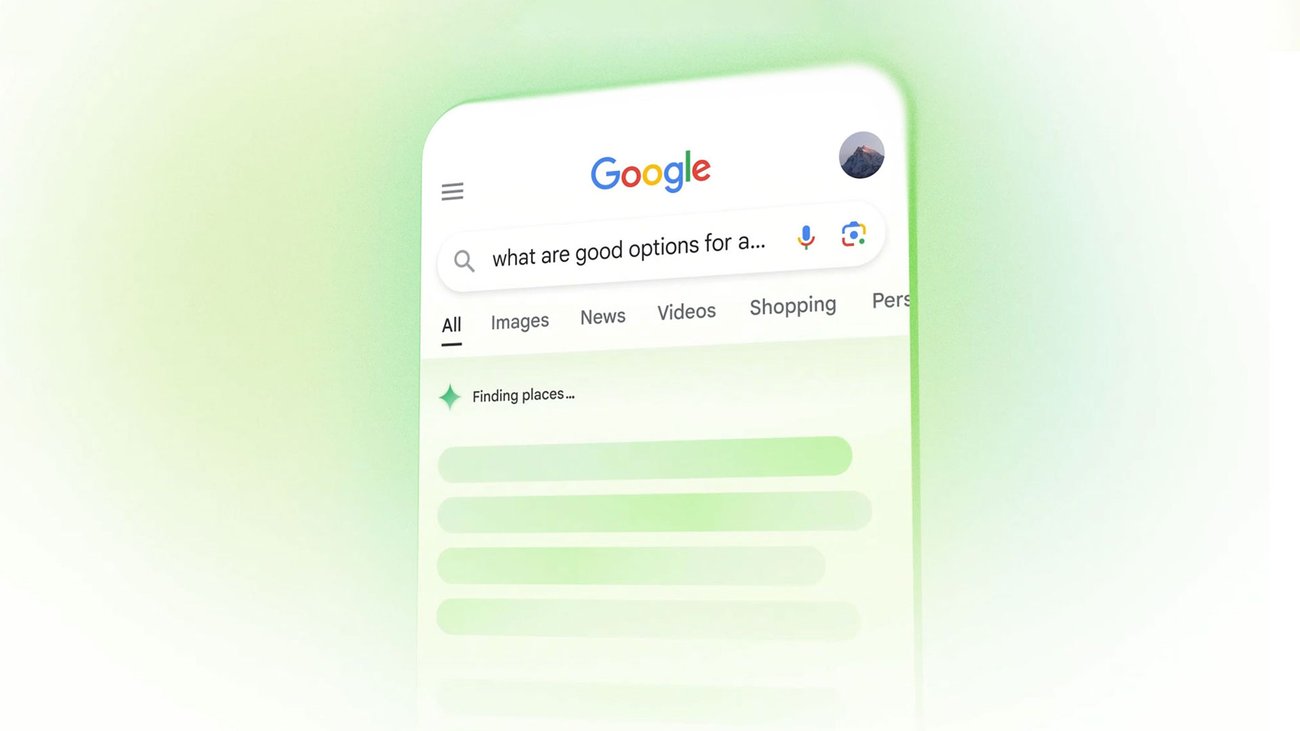

To appear in Google AI Overviews you must publish clear, authoritative content that directly answers user queries, structure it for easy machine reading, and maintain strong signals of expertise, authority, and technical health.
AI Overviews are AI‑generated summaries that surface concise answers at the top of search results to help users grasp a topic quickly. They draw on multiple sources and favor content that is useful, well‑structured, and trustworthy.
Why it matters
Being included in an AI Overview can put your content in front of users who want immediate answers, increasing visibility even if they do not click through to other results.
Content structure
Write a short, direct lead that answers the query in the first 50–100 words, then expand with clear subheadings, bullet lists, and an FAQ section. Use plain language and conversational queries so the AI can extract concise snippets easily.
Google guidance
Google’s documentation emphasizes that there are no special extra requirements beyond solid SEO fundamentals; focus on crawlable, high‑quality content and follow general best practices for Search and AI features.
Authority signals
Demonstrate E‑E‑A‑T (Experience, Expertise, Authoritativeness, Trustworthiness) with author bios, citations to reputable sources, original research or data, and transparent editorial processes to help AI systems trust your content.
Ranking context
AI Overviews often draw from high‑quality pages that rank well organically, so aim to be in the top organic results by optimizing for long‑tail, conversational keywords and concise answers that match user intent.

Technical signals
Use semantic HTML, clear H2/H3 headings, and structured content blocks. Implement Schema markup where appropriate (FAQ, HowTo, Article) and ensure pages are fast, mobile‑friendly, and indexable so AI systems can access and parse your content.
Freshness and accessibility
Keep content updated, avoid paywalls or heavy gating for key answers, and ensure canonicalization and accessibility so the AI can reliably source and reuse your material.
Practical checklist
- Answer the question first, then expand.
- Use H2/H3 headings, bullet lists, and short paragraphs.
- Add an FAQ and clear author credentials.
- Include internal links and structured data.
Measure and iterate
Monitor performance in Search Console and analytics, track impressions from AI features, and refine content based on query patterns and user feedback to improve inclusion chances.
Common pitfalls
Avoid thin content, vague summaries, clickbait intros, and hidden or dynamically loaded text that prevents indexing. Over‑optimization and keyword stuffing reduce clarity and trust.
Advanced tips
Create concise summaries, tables, and step‑by‑step guides that an AI can extract verbatim. Use schema for FAQs and How‑To content and include clear timestamps or update notes.
Testing and iteration
A/B test different lead sentences, FAQ phrasing, and headings to see which versions surface better in AI responses. Iterate based on real query data and user behavior.
Conclusion
Focus on quality, clarity, structured markup, and authority; maintain technical health and update content regularly to maximize the chance your pages will be used in Google AI Overviews.