
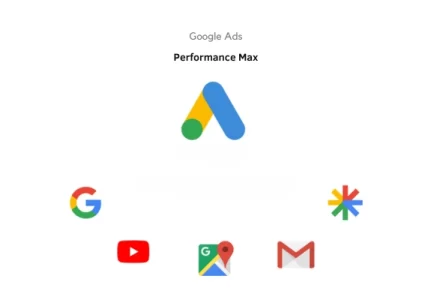
Performance Max is a goal‑driven campaign type within Google Ads that unifies multiple channels under a single campaign structure. It is built to find conversions across Google’s inventory by combining automated bidding, creative assembly, and cross‑channel reach. Advertisers set objectives and supply assets, and the system seeks the best opportunities to meet those goals. This approach shifts focus from manual placement choices to strategic inputs and measurement.
Performance Max campaigns can serve ads across Search, YouTube, Display, Discover, Gmail, and Maps using one budget and one campaign setup. That consolidation simplifies campaign management for teams that want broad reach without running separate campaigns for each channel. At the same time, it requires clear priorities because the system optimizes toward the single set of goals you define. Proper setup and oversight determine whether the campaign expands reach efficiently or dilutes spend.
Because Performance Max relies heavily on automation, it performs best when advertisers provide high‑quality creative assets, accurate conversion tracking, and thoughtful audience signals. The machine learning model needs reliable data to learn quickly and allocate budget effectively. Without those inputs, results can be inconsistent or slow to improve. Treating the campaign as a strategic partner rather than a black box helps unlock its potential.
How it Works
Performance Max uses asset groups that include headlines, descriptions, images, and video to generate ad combinations dynamically. The system tests different creative permutations and matches them to placements and user contexts where they are most likely to convert. Automated bidding strategies then adjust bids in real time to pursue the defined conversion goals. This continuous experimentation and allocation is the core mechanism that drives performance.
Advertisers can provide audience signals to guide the model during the learning phase, such as customer lists, website visitors, or interest segments. These signals are not hard constraints but starting points that help the algorithm prioritize where to explore first. Over time, the model expands beyond those signals to discover additional converting audiences. Monitoring how the campaign evolves against those signals helps marketers understand where incremental value is coming from.
Conversion tracking and attribution settings are central to how Performance Max evaluates success. The campaign optimizes to the conversions you count, so any gaps or inaccuracies in tracking will skew optimization. Use consistent conversion windows and clear value definitions to ensure the system pursues the outcomes that matter most. Regularly audit conversion events to avoid optimizing toward low‑value or misattributed actions.
Benefits
A major benefit of Performance Max is scale: it can surface converting users across channels that might be missed by siloed campaigns. That cross‑channel reach often drives incremental conversions and helps advertisers capture demand at different stages of the funnel. For businesses with broad audiences or complex customer journeys, this unified approach can simplify media planning while expanding reach.
Another advantage is efficiency through automation. Automated bidding, creative mixing, and placement selection reduce manual tasks and can lower cost per acquisition when goals and data are aligned. The system reallocates budget dynamically to the highest‑performing opportunities, which can improve return on ad spend if inputs are strong. Efficiency gains are most pronounced when advertisers maintain disciplined measurement and refresh creative regularly.

Best Practices
Start with clear, measurable conversion goals and ensure your tracking is accurate and complete. Define which actions truly represent value—purchases, leads, or high‑quality engagements—and feed those into the campaign. Consistent, reliable measurement is the foundation for meaningful optimization.
Provide a diverse set of creative assets and multiple variations of headlines and descriptions. High‑quality images and short videos increase the system’s ability to match creative to context and audience. Refresh assets periodically to prevent creative fatigue and to give the model new combinations to test.
Use audience signals to accelerate learning but avoid overconstraining the model. Signals help the algorithm prioritize early exploration, yet the system will expand beyond them as it identifies converting patterns. Combine signals with negative lists or exclusions if you need to protect brand safety or avoid low‑value segments.
Common Pitfalls
Treating Performance Max as a fully autonomous solution without monitoring can lead to wasted spend or poor alignment with business goals. Regular checks on conversion quality, budget pacing, and creative performance are essential. Automation reduces manual work but does not eliminate the need for strategic oversight.
Another common issue is poor conversion setup or inconsistent value definitions across campaigns. If the campaign optimizes to the wrong events or mixes high‑ and low‑value conversions without proper value weighting, results will be misleading. Align conversion values and attribution settings with business priorities to avoid optimizing for the wrong outcomes.
Implementation and Conclusion
Run Performance Max alongside well‑structured search and brand campaigns to protect high‑intent queries and to maintain control over branded traffic. Use experiments or holdout tests to measure incrementality and to understand how Performance Max affects overall account performance. Segment budgets thoughtfully so that automated allocation does not cannibalize higher‑priority efforts.
In summary, Performance Max can deliver broader reach and improved efficiency when advertisers supply clear goals, accurate measurement, and varied creative assets. It is a powerful tool for scaling performance across Google’s channels, but it requires disciplined setup, ongoing monitoring, and periodic creative refreshes. With the right inputs and oversight, Performance Max becomes a strategic amplifier rather than a mysterious black box.